
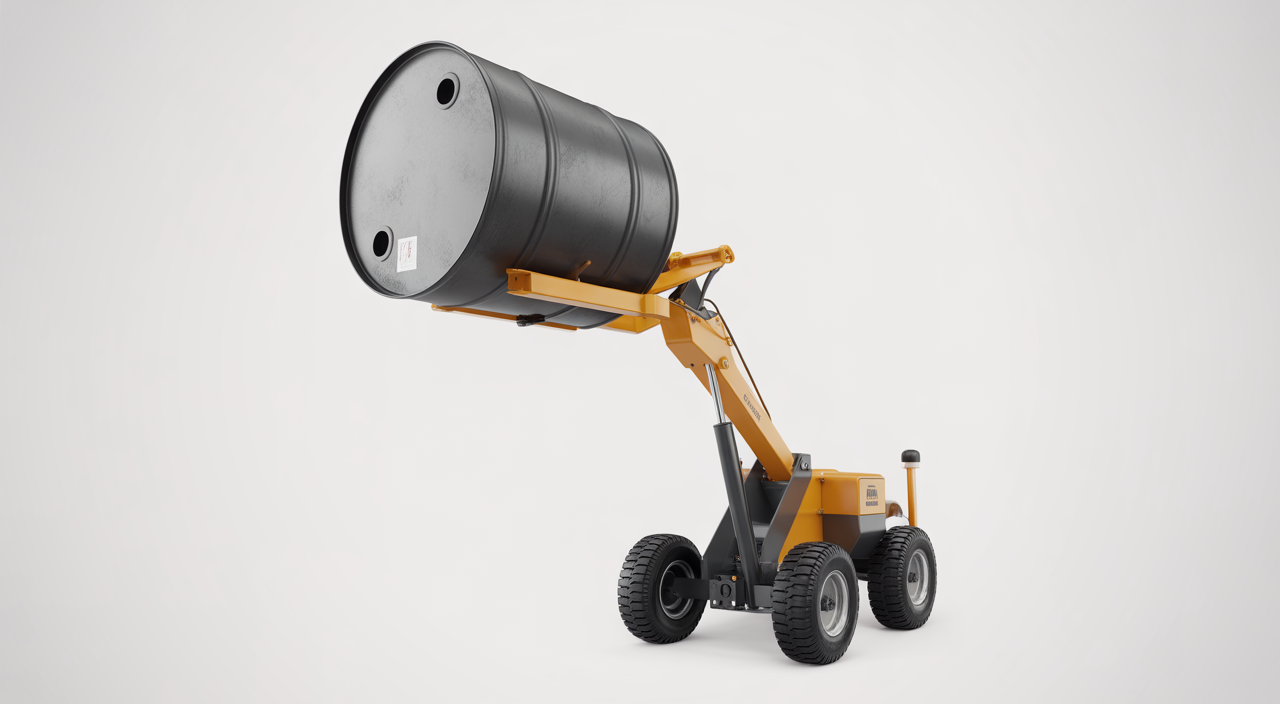
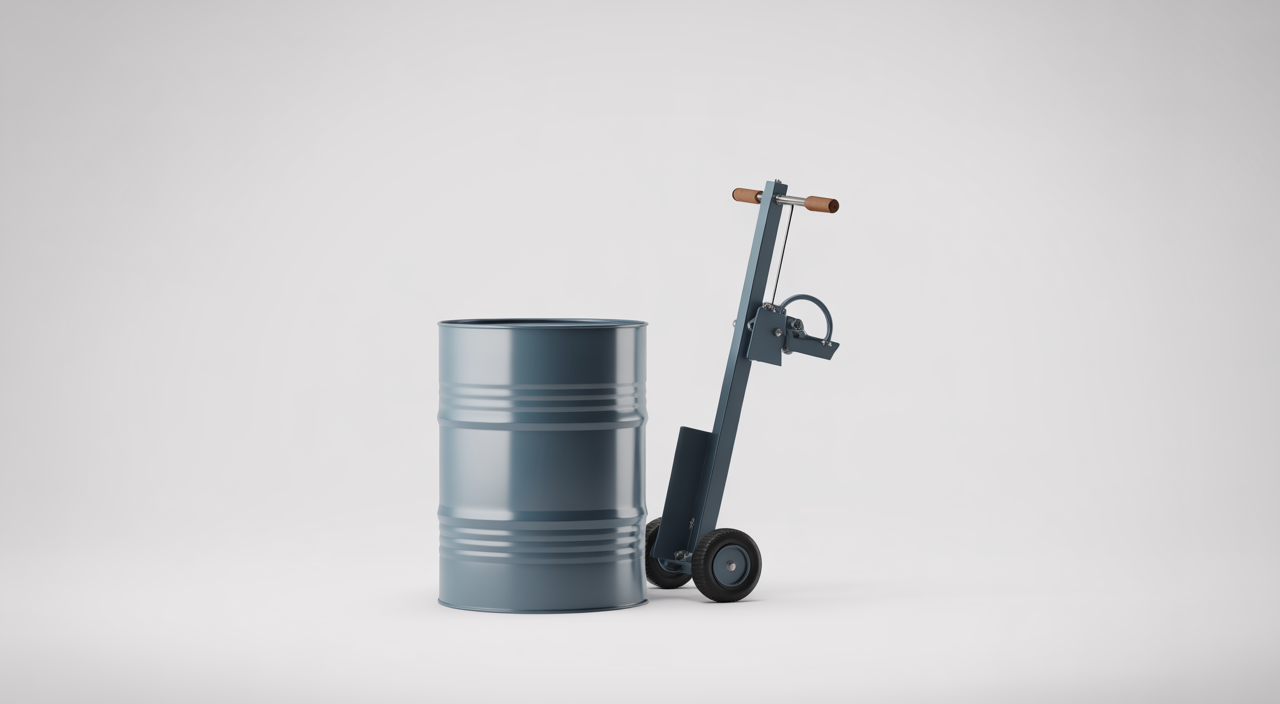
What should you look for when buying a portable drum tipper?
If you handle heavy drums in your plant, you already know how much time and effort they can consume. A good portable drum tipper can transform that work from a slow, risky task into a smooth, safe, repeatable process. The key is choosing the right model for your loads, your layout, and your budget.
This guide walks you through the most important points so you can shortlist the best options in minutes. It is written for busy operations managers, safety officers, and purchasing teams who want clear, practical advice. Use it like a checklist before you ask for quotes or finalize a purchase order.
Although examples here apply worldwide, you will also find simple tips that fit well with Indian plant layouts, local power conditions, and cost-conscious investment plans.
Why invest in a portable drum tipper?
1. Efficiency gains and labor savings
Manual drum handling is slow and tiring. When operators have to roll, lift, and tilt drums by hand, you waste productive hours and limit throughput. A mobile drum lift or drum lifter and tipper lets one person move, raise, and empty a drum in a controlled way.
That directly cuts cycle time at mixing lines, blending stations, and drum discharge stations. In many plants, switching to proper drum handling equipment frees up at least one worker per shift for higher-value tasks.
2. Better safety and compliance
Back strain, crushed fingers, and spills often start with awkward manual lifting. A well-designed hydraulic or electric drum tipper keeps the drum secure while tilting and pouring. Operators only guide the process with handles, pedals, or simple controls.
When you combine this with basic drum handling safety training and clear SOPs, it becomes much easier to stay aligned with workplace safety rules and reduce accident-related costs. This also supports a strong safety culture, which is vital in chemical, food, and pharma plants.
3. Strong ROI and cost of ownership
Many buyers focus only on drum tipper price, but the real value sits in long-term savings. You save by:
- Lower injury risk and fewer compensation claims
- Less product loss from spills or splashes
- Faster changeovers and cleaning cycles
When you spread the investment over five to ten years of use, the monthly cost often looks small compared to labor and downtime savings. This is especially true for lines that run multiple shifts or serve export orders where reliability matters.
Types of portable drum tippers
1. Manual drum tipper
These units use hand cranks, ratchets, or simple mechanical levers. They cost less upfront, have fewer parts, and are easy to maintain. Manual models can be a good fit if you handle lighter drums, shorter lifting heights, or low shift volumes.
They are often used in small workshops, pilot plants, or as backup equipment. However, they can become tiring if your operators must tip many drums every hour.
2. Hydraulic drum tipper
Hydraulic tippers use fluid power to lift and tilt heavy drums with minimal effort. Power can come from a manual pump, a battery, or mains supply. These units suit higher capacities such as 200 to 250 kilogram drums and frequent duty cycles.
If you work with thick liquids, powders, or 55-gallon drum tipper applications, hydraulic options often provide the smoothest and safest motion. They are ideal when you want repeatable control over the tilt angle and discharge speed.
3. Electric drum tipper
Electric drum tippers use motors for lifting and tilting, often with push-button controls. They are comfortable for operators and work well in automated or semi-automated lines. Some models integrate with conveyor feeds or container tipper systems.
Check your site’s voltage, available plugs, and backup power arrangements. In many Indian facilities, planning for clean, stable power and basic surge protection helps you avoid unexpected downtime.
Key specifications to compare
1. Capacity and drum type
Start with the heaviest drum you ever plan to handle, including liquid, residue, and any liner or fittings. Add a safety margin of at least 10 to 20 percent and choose a model rated above that figure.
Also note drum diameter, height, and material. Some tilt drum dumper designs grip only steel drums, while others accept plastic or fiber drums with clamps or adjustable bands.
2. Tilt angle and height
Ask how far the unit can tilt. For full emptying into mixers or reactors, you may need close to 135 degrees of rotation. For partial dispensing into smaller containers, a smaller angle may be enough.
Check lift height against your highest receiving vessel, hopper, or drum loader equipment. Make sure there is room for the frame, wheels, and safety guards under pipelines or ventilation ducts.
3. Mobility and footprint
Portability is more than just wheels. Look at:
- Wheel type for smooth floors or rougher factory surfaces
- Turning radius in narrow aisles and between machines
- Overall width compared with your doorways and lifts
If your facility has tight corners or split-level areas, a compact pallet jack drum tipper style with swivel casters can be very useful.
4. Maintenance and serviceability
Choose simple, rugged designs with easy access to wear parts such as seals, hoses, and batteries. Ask suppliers about service intervals, local support, and spare parts availability.
Preventive checks can be built into your regular maintenance plans, similar to how you schedule services for other critical plant equipment. For more ideas on designing efficient industrial processes, you can review this guide on improving raw material planning efficiency.
Safety best practices for drum handling
Good equipment and good habits go together. Here are simple steps to keep your team safe:
- Train all operators on controls, rated loads, and safe zones
- Use PPE suited to your materials, such as gloves and face shields
- Secure every drum with clamps or straps before lifting
- Keep the travel path clear of hoses, pallets, and cables
Schedule regular inspections and record them in a log. Any sign of leakage, unusual noise, or difficulty in lifting should trigger a quick check before the next shift.
Real-world use cases
In a beverage plant, a mobile drum turner can reduce cleaning chemical changeover time between batches. Operators wheel the drum to the tank, tip it at a controlled rate, and quickly rinse the drum, all in one station.
In a chemical unit, an industrial drum dumper can pour hazardous liquids into closed reactors without splashing, using funnels or sealed connections. This improves both safety and product consistency.
In pharmaceutical environments, stainless steel tippers with smooth welds help maintain hygiene in cleanrooms. They can be integrated with other hygienic systems, similar in concept to how modern flow control equipment is selected for sanitary lines.
Simple steps to select the right model
- List all drum sizes, weights, and materials you handle.
- Map typical travel paths and measure door and aisle widths.
- Decide power source: manual, hydraulic, or electric based on duty cycle.
- Identify discharge points and required tilt angle and height.
- Set a budget range, but evaluate at least two models on total cost of ownership, not just price.
This structured approach keeps discussions with vendors focused and helps you compare options on facts rather than just catalog descriptions.
FAQs about portable drum tippers
Q1. What is the difference between a drum tipper and a drum dumper?
A drum tipper is designed to tilt or rotate a drum so material flows out in a controlled way, often at adjustable angles. A drum dumper typically focuses on fully inverting the drum to empty all contents quickly. Many modern units combine both functions, so you can choose slow, partial tipping or full dumping depending on the job.
Q2. Can a portable drum tipper be used outdoors?
Yes, many models can be used outdoors if the ground is reasonably level and firm. For outdoor use, look for corrosion-resistant finishes, weather-protected controls, and wheels suited to rougher surfaces. If you plan to use an electric drum tipper outside, confirm protection ratings and follow safe power supply practices.
Q3. How often should I service my portable drum tipper?
Service intervals depend on daily usage and environment, but a quick weekly visual check plus a detailed inspection every three to six months works well in many plants. Always follow the manufacturer’s manual for lubrication, hydraulic oil changes, and battery care. Keeping a simple checklist helps extend equipment life and ensures safe, smooth operation over many years.

Charles Perkins was born in California, Studied at California State University. Currently working as Manager at Hoonskate, Charles Perkins helps readers learn the Health, Marketing, Insurance, Lawyer etc hone their skills, and find their unique voice so they can stand out from the crowd.