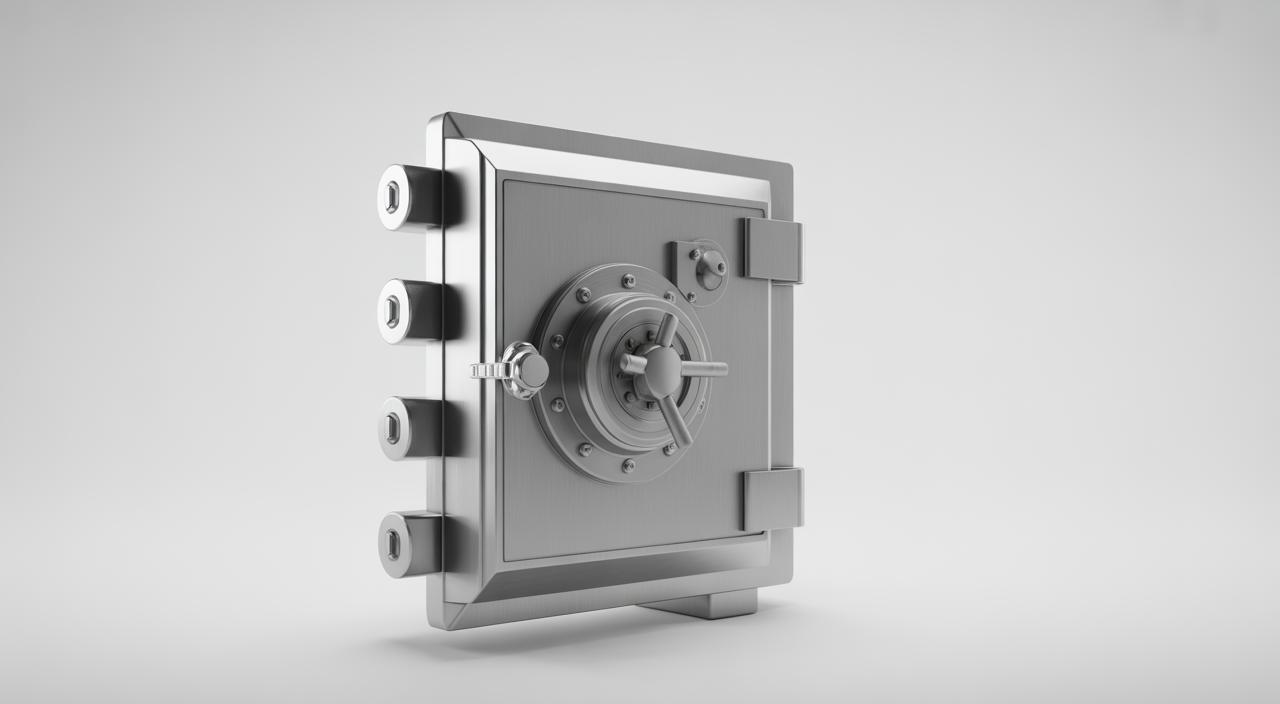
What should you know before buying safe room doors?
If you are planning a panic room or a family safe space, the door is the most important part of the whole structure. Walls can be strong, but if the door is weak, your protection is at risk. High quality safe room doors give you peace of mind during break-ins, storms, or any emergency.
Many buyers search for “armored home doors” or “bullet resistant door” and get lost in complex terms. The good news is that you do not need to be a security expert to choose well. With a simple checklist and clear ratings, you can confidently select the right door for your home or project.
This guide keeps the focus only on doors, not windows. You will learn how ratings work, what affects cost, and how to plan installation in a practical way, whether you live in India, the US, or any other part of the world.
Why a safe room door is your first line of defense
The purpose of a safe room is simple: create a space where people can stay protected until help arrives. The door is the entry point, so it must resist both force and, in some cases, bullets or flying debris. Standard interior doors are not designed for that level of stress.
There are three main types of threats to think about. First is forced entry, where someone tries to kick, pry, or cut the door. Second is ballistic threat, where the door may be exposed to gunfire. Third is extreme weather, such as hurricanes or cyclones, where wind throws heavy objects at the door at high speed.
Good safe room doors handle at least one of these threats very well, and the best models combine multiple protections in a single unit.
Understanding ratings for safe room doors
When you see terms like “UL-rated safe room door” or “UL752 certified doors,” they refer to independent tests. A neutral lab checks how much impact or ballistic force the door can survive. This is much more reliable than marketing words like “strong” or “extra tough.”
For ballistic protection, many products use the UL 752 standard. Levels typically go from 1 to 8. Lower levels are tested against smaller handguns, while higher levels handle more powerful weapons. A higher level usually means thicker steel, heavier weight, and a higher price.
For storm protection, you may see references to guidelines similar to FEMA or ICC standards. These focus on impact from debris and high wind pressure. If you live in areas with severe cyclones or storms, it is wise to choose a door that is tested for both wind pressure and flying objects.
Key features to look for in a safe room door
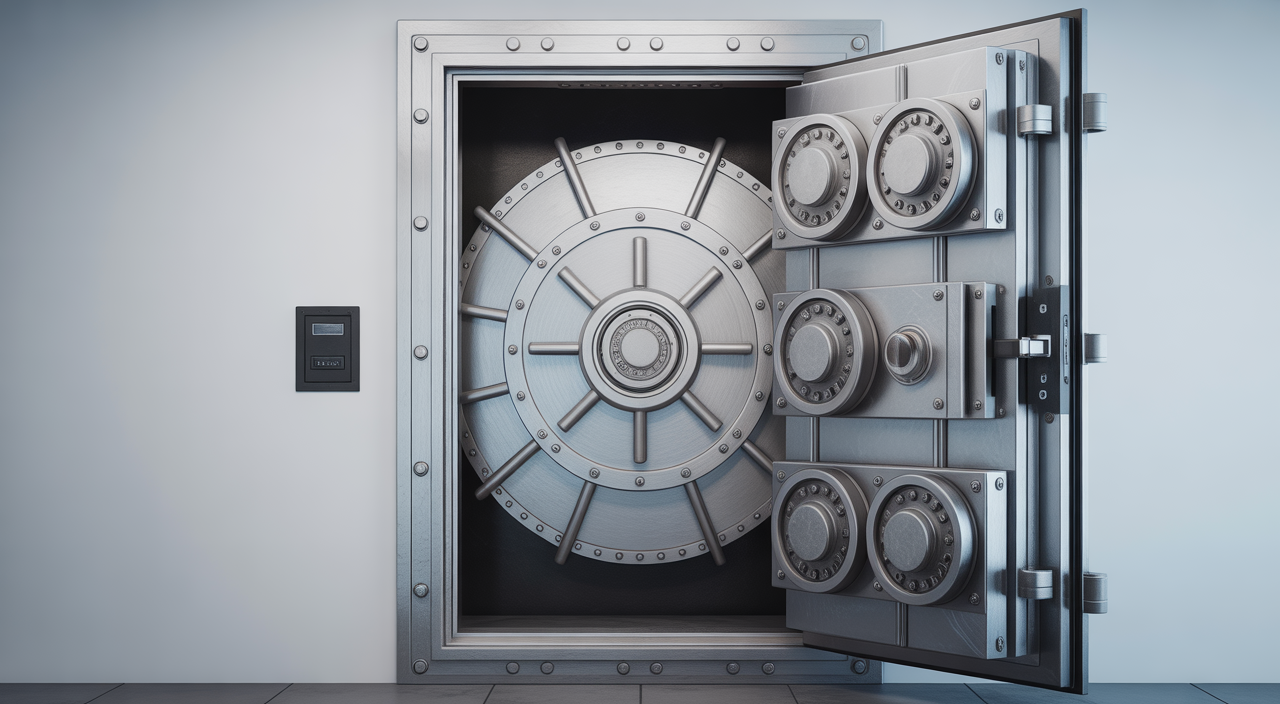
Beyond ratings, the construction details of the door matter a lot. Look for solid steel skins with adequate thickness, not just a thin metal sheet over a hollow core. The internal core can be reinforced with steel, composite, or special ballistic materials to absorb energy from impacts.
Hardware is another critical part. Heavy-duty hinges, strong locking points, and quality latches help prevent prying and bending. Multi-point locking systems that secure the door at several spots along the frame can greatly improve forced-entry resistance.
Do not ignore surface finish and design. Many modern reinforced security doors can be painted or covered with decorative panels to match your existing interiors. This is useful for homeowners and architects who want both safety and style in the same product.
How much do safe room doors cost?
Prices vary widely based on rating, size, and customization. A basic forced-entry resistant door without ballistic rating will usually cost much less than a high-level ballistic and storm-rated unit. Hardware upgrades, custom finishes, and special frames can also increase the cost.
As a rough guide, serious high-security doors typically start in the mid range and can go up several times as you move to top ballistic levels and custom builds. When planning your budget, also include installation, which may need structural changes to the wall and frame.
Instead of only chasing the highest level, think about your real risk. For example, a homeowner in a storm-prone coastal area might focus on a hurricane safe room door with strong impact resistance, while a business in a high-crime zone may want advanced ballistic and forced-entry protection.
Installation best practices and checklist
Even the strongest door fails if installed poorly. The frame should be anchored into solid structure, such as reinforced concrete or a properly designed steel or brick wall. Light drywall framing is usually not enough to hold a heavy armored door during extreme stress.
Here is a simple checklist to follow:
- Confirm wall strength and thickness with your contractor or engineer.
- Use the manufacturer’s recommended frame and fasteners.
- Check that the door opens inward if used as a storm or safe room door, so debris outside does not block it.
- Test the locking system several times after installation for smooth operation.
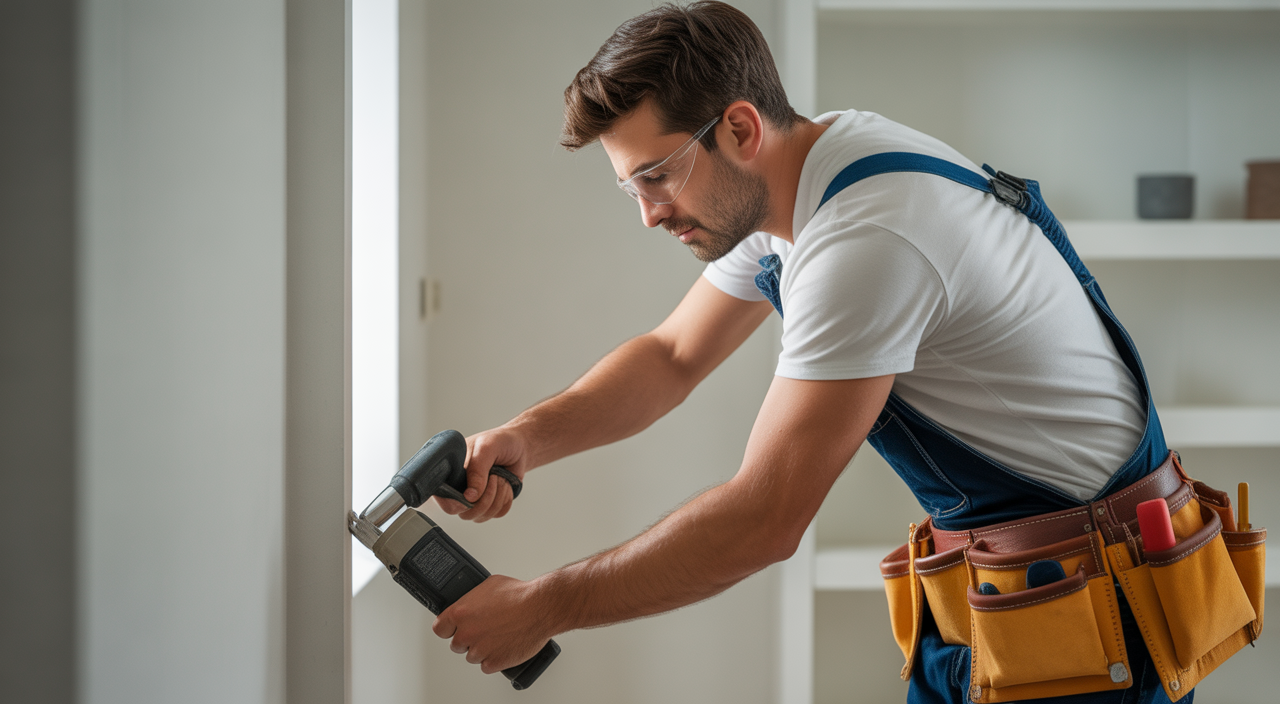
For most buyers, professional installation is the safest choice. A skilled installer will know how to align the door correctly and seal any gaps that could reduce performance.
Maintenance tips for long-lasting security
Once installed, a high-security door needs simple but regular care. Check hinges and locks at least once or twice a year. Apply light lubrication where recommended so that the door opens and closes smoothly, even during an emergency.
Inspect seals around the frame for wear, especially in humid or coastal climates. Replace damaged gaskets so that dust, moisture, and noise stay under control. If your door has a painted or coated finish, clean it gently with non-abrasive products to keep it looking new.
It is also a good idea to practice using the safe room with your family. Teach everyone how to lock the door, where to keep keys if needed, and how to contact help from inside the room.
Planning a safe room as an Indian homeowner or investor
More Indian homeowners and investors are now exploring safe rooms as part of smart property planning. In large cities and growing suburbs, a safe room can add a valuable layer of security and even support long-term property value. When you review your home upgrades, place the door at the top of the list.
If you are considering broader home improvements, it can be useful to read about related topics such as what to know before ordering a custom security door. This helps you compare standard security doors with more specialized safe room models.
For investors who buy and upgrade premium residential units, adding a well-designed safe room with a certified door can become a unique selling point. It signals care for safety and quality to future tenants or buyers.
FAQs about safe room doors
Q1: Do I really need a special frame for a safe room door?
A dedicated frame is strongly recommended. The frame and wall must support the weight and the impact load of the door during a forced entry or storm. Using the correct frame and anchor pattern from the same manufacturer gives you a complete tested system, not just a strong leaf hung on a weak structure.
Q2: Can I upgrade my existing interior door into a safe room door?
In most cases, simply adding more locks to a standard interior door is not enough. The core material, thickness, hinges, and frame of common doors are not designed for ballistic or heavy impact resistance. For real protection, it is better to replace the door and frame with a unit that is specifically engineered and tested for safe room use.
Q3: How do I balance security with appearance?
Many modern safe room doors offer customizable finishes, including paint colors and elegant surface panels. You can select a design that matches your current interior while keeping the structural core and hardware fully high-security. If you need style ideas, it may help to explore resources on what makes a modern security door truly secure, and then apply similar thinking to your safe room project.