
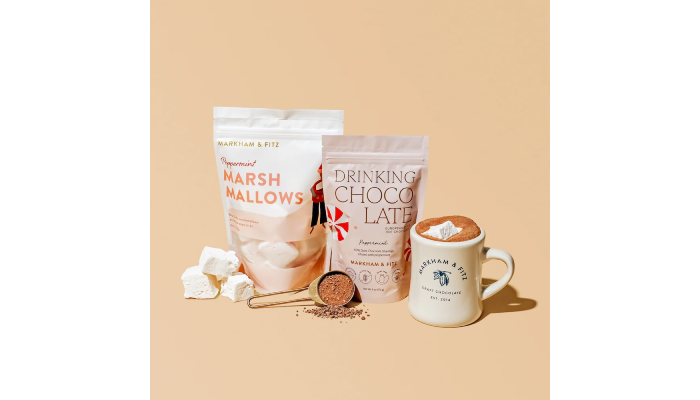
Chocolate powder stays fresh the longest when stored in an airtight, opaque container to keep out moisture, air, and light. Keeping it in a cool spot between 60 and 70 degrees Fahrenheit helps prevent fat separation and flavor loss. Too much humidity or heat can cause clumping or mold growth, so avoid damp places like near sinks or ovens. For longer storage, using Mylar bags with oxygen absorbers is smart since they block oxygen and moisture effectively. Adding desiccant packets inside containers also helps control any leftover moisture. Regularly checking for signs like off smells or color changes ensures the powder stays good for your recipes.
Shelf Life and Risks of Chocolate Powder
The best chocolate powder typically maintains its quality for 12 to 24 months when stored properly, sometimes even longer. While it rarely spoils in the traditional sense, its flavor, aroma, texture, and nutrients gradually decline over time due to environmental factors. Moisture is one of the biggest threats, as it causes clumping, changes in texture, and can promote mold growth. Oxygen exposure leads to oxidation, which results in rancidity and a loss of flavor and nutritional value. Heat accelerates fat separation, causing the powder to lose its flavor, color, and desirable texture more quickly. Light, especially ultraviolet rays, breaks down the delicate flavor compounds and dulls the powder’s rich color. High humidity encourages moisture absorption, which speeds up spoilage and clumping. Most spoilage risks stem from these environmental conditions rather than microbial contamination. Regularly checking the powder’s color, smell, and texture can help spot early signs of degradation, such as off odors, color changes, or unusual clumps, ensuring you use the powder while it still retains its best qualities.
Best Temperature and Humidity for Storage
The best temperature to store chocolate powder is between 60°F and 70°F (15°C to 21°C). Keeping it within this range helps preserve its flavor and nutritional quality while preventing fat separation that can spoil the texture and taste. Avoid placing the powder near heat sources like ovens or direct sunlight, as higher temperatures speed up spoilage and cause the powder to degrade faster. Temperature fluctuations should also be avoided since they can create condensation inside the container, which damages the powder. Maintaining a stable, cool environment is key to extending shelf life effectively.
Humidity plays an equally important role. The ideal relative humidity for storage is below 50 to 65 percent. When humidity rises above this range, the powder absorbs moisture, leading to clumping and an increased risk of mold growth. On the other hand, low humidity keeps the powder dry, prevents mold, and helps maintain its fine, powdery texture. To avoid excess moisture, never store chocolate powder near sinks, dishwashers, or other humid spots in the kitchen. Instead, choose a dry pantry or cupboard away from water sources.
By controlling both temperature and humidity carefully, you can keep chocolate powder fresh longer, preserving its aroma, flavor, and texture for your recipes and drinks.
Choosing the Right Containers and Packaging
To keep chocolate powder fresh, the container you choose plays a crucial role. Airtight containers are essential because they prevent air and moisture from entering, which can cause clumping and spoilage. Glass jars with tight lids, food-grade plastics, ceramic containers, or resealable heavy-duty bags all work well. Containers that are opaque or dark-colored are better since they block light and ultraviolet rays, which can degrade flavor and color over time.
For longer storage periods, Mylar bags paired with oxygen absorbers offer the best protection. Oxygen absorbers remove most of the oxygen inside the bag, reducing the risk of rancidity and nutrient loss. When using both oxygen absorbers and desiccants like silica gel packets, place the desiccant at the bottom of the container to absorb moisture and the oxygen absorber on top to eliminate oxygen.
Vacuum sealing is another good option for medium-term storage because it removes a lot of air but may not eliminate all oxygen. If you’re storing chocolate powder in the freezer, double-bagging is important to prevent it from absorbing odors. Proper packaging not only preserves the powder’s freshness but also helps maintain its flavor, aroma, and texture over time.
- Use airtight containers to stop air and moisture from entering.
- Glass, food-grade plastic, ceramic, or resealable heavy-duty bags work well.
- Opaque or dark-colored containers block light and UV rays.
- For long-term storage, Mylar bags combined with oxygen absorbers are best.
- Oxygen absorbers remove oxygen, preventing rancidity and nutrient loss.
- Desiccants like silica gel packets absorb residual moisture inside containers.
- Place desiccants at the bottom and oxygen absorbers on top if both are used.
- Vacuum sealing helps but may not remove all oxygen; better for medium-term storage.
- Double-bagging is necessary if freezing to avoid absorbing freezer odors.
- Proper packaging keeps chocolate powder fresh and maintains quality over time.
How to Store Chocolate Powder Long Term
For long-term storage of chocolate powder, using Mylar bags combined with oxygen absorbers is one of the best methods. This combination helps remove oxygen and block moisture and light, which can extend the shelf life up to 20 years. Store these bags in a cool, dark place where temperature stays stable between 60°F and 70°F (15°C to 21°C) and humidity remains low, ideally below 50-65%. Avoid locations near heat sources or humid areas such as near dishwashers or sinks. Adding desiccants like silica gel packets inside the packaging helps control any residual moisture and prevents clumping. While vacuum sealing can be a useful secondary method to reduce air exposure, it is less effective on its own for very long storage since it may not remove all oxygen. Freezing chocolate powder is possible if it’s double-bagged and sealed airtight to prevent moisture and odor absorption, but this is generally reserved for warm or humid climates. Always keep containers out of direct light to protect flavor and color, and label all packages with the storage date to track freshness. Regularly inspect the powder for any signs of spoilage such as changes in color, texture, or smell to ensure it remains in good condition over time.
Where to Keep Chocolate Powder at Home
To keep chocolate powder fresh, choose a storage spot away from heat sources like ovens, radiators, or direct sunlight. A pantry, kitchen cabinet, or a cool basement works well as long as the area maintains a stable temperature between 60°F and 70°F and low humidity below 65%. Avoid places near sinks, dishwashers, or other humid spots since moisture can cause clumping and spoilage. Refrigerators are generally not recommended unless the powder is sealed airtight to prevent condensation, which can damage the powder. Also, keep the powder away from strong odors because it easily absorbs surrounding smells, affecting its flavor. Selecting a dark place or using opaque containers helps protect the powder from light, which can degrade its quality. Store containers off the floor on shelves that do not experience temperature fluctuations to avoid exposure to moisture and pests. Regularly check and clean the storage area to prevent contamination and keep your chocolate powder tasting its best.
Tips for Handling and Repackaging Safely
When repackaging chocolate powder, choose a day with low humidity to reduce moisture risk, as even slight dampness can cause clumping or spoilage. Always use clean, dry utensils to scoop the powder, never handle it with wet hands or tools, since moisture introduces contaminants and promotes mold growth. Work quickly to transfer the powder, minimizing its exposure to air, but avoid shaking or compacting it too much, which can damage the texture. Once repackaged, seal containers tightly to keep out air and moisture. Label each container with the repackaging date and expiration date to keep track of freshness. If you’re working in a humid environment, consider using a dehumidifier in the repackaging area to maintain dry air. Keep the space clean and free from strong odors, as chocolate powder can absorb unwanted smells easily. For extra protection, store repackaged powder inside the original packaging when possible, adding a layer of defense against light and air. These careful steps help maintain the powder’s flavor, aroma, and texture over time.
How to Spot Spoiled Chocolate Powder
Identifying spoiled chocolate powder early helps avoid using degraded or unsafe products. One clear sign is a color change: fresh powder is dark brown, so if it shifts to lighter shades or reddish tones, that indicates degradation. Texture changes are also important, clumping, chalkiness, grittiness, or sticky hardened areas point to moisture damage. Off smells like sour, rancid, musty, or stale odors suggest the powder is no longer fresh and might be affected by mold or oxidation. Visible mold growth or unusual spots are obvious signs that the powder should be discarded immediately. A loss of the rich chocolate aroma and flavor often means the powder is old or oxidized. If the taste turns unusually bitter or metallic, it’s best to throw it out. Finally, finding any insects or pests inside the packaging is a clear reason to dispose of the powder. Regularly checking these sensory cues before use can save you from unpleasant surprises and maintain the quality of your chocolate powder.
Checklist for Storing Chocolate Powder Properly
To keep chocolate powder fresh, always store it in airtight, opaque containers that block air and light exposure. Maintaining a steady temperature between 60°F and 70°F (15°C to 21°C) helps preserve flavor and aroma, while keeping relative humidity below 50 to 65 percent prevents moisture absorption and clumping. For long-term storage, Mylar bags combined with oxygen absorbers are ideal since they remove oxygen and block moisture and light, extending shelf life significantly. Adding desiccants like silica gel packets inside containers controls residual moisture and helps avoid texture changes. Vacuum sealing works well for medium-term storage up to 1-2 years but may not be enough for very long storage. Always avoid exposing chocolate powder to heat, light, moisture, or oxygen, and store it in cool, dark places such as pantries or basements away from heat sources. If freezing is necessary, make sure the powder is double-bagged and airtight sealed to prevent moisture and freezer odors. Finally, regularly check the powder for any signs of spoilage, including clumping, off smells, or color changes, to ensure you’re using fresh chocolate every time.

Charles Perkins was born in California, Studied at California State University. Currently working as Manager at Hoonskate, Charles Perkins helps readers learn the Health, Marketing, Insurance, Lawyer etc hone their skills, and find their unique voice so they can stand out from the crowd.