
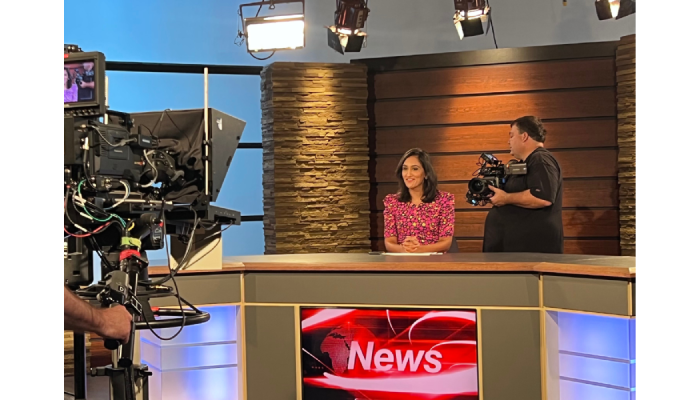
To stand out as a TV journalist, you need to master core skills like being a thorough investigator and having a strong news sense. It’s important to verify facts carefully and maintain ethical standards to build trust with viewers. On camera, speak naturally using outlines rather than memorizing scripts, stay calm under pressure, and use your body language effectively. Developing an authentic on-air personality helps connect with audiences, being relatable matters more than trying to fit a mold. Building solid professional networks and showing passion for your work also make a big difference. Overall, combining preparation with genuine style creates memorable storytelling that stands apart.
Master Essential Journalistic Skills for Credibility
To build credibility as a TV journalist, mastering core journalistic skills is crucial. Start by developing a strong news sense: regularly consume a wide range of news sources to understand what makes a story timely and relevant. This habit sharpens your ability to spot newsworthy angles that resonate with viewers. Practice relentless investigation by asking probing questions and seeking information beyond press releases or official statements. Original reporting helps you stand apart and adds depth to your stories. Always verify facts multiple times, paying close attention to details like names, dates, and figures. Accuracy is the foundation of trust with your audience. Upholding ethical standards is equally important; avoid conflicts of interest, refuse gifts, and maintain impartiality regardless of your personal views. Keeping detailed notes, contacts, and records of interviews and investigations not only supports accountability but also creates a valuable resource for future stories. Learn to identify credible sources and distinguish facts from opinions, which strengthens the reliability of your reporting. Staying updated on current events and industry trends allows you to provide context that enriches your stories. Clear and concise writing skills are essential for effectively conveying complex information in a way viewers can easily understand. Mastering interviewing techniques will enable you to gather comprehensive and reliable information, making your reports more insightful. Finally, understanding legal considerations, such as libel laws and privacy rights, helps you navigate the boundaries of responsible journalism and avoid costly mistakes.

Excel in On-Camera and Live Reporting Techniques
To excel in on-camera and live reporting, preparation is key, but avoid memorizing scripts word for word. Instead, rely on outlines that guide your flow naturally, helping you sound conversational and genuine. Treat every moment on set as if the equipment is live, even when it’s not, to prevent accidental unprofessional slips. Use visual storytelling in your stand-ups by incorporating gestures, purposeful movements, and props that add meaning and context to your report. When describing scenes, especially for radio or voiceover, engage the senses: paint vivid pictures with details that help viewers or listeners feel as if they are right there. Staying calm during unexpected events or technical glitches is crucial, your composure reassures the audience and maintains credibility. Pay attention to your non-verbal communication; steady eye contact and confident body language build trust and help you connect with viewers. Control your pacing and tone to match the story’s mood, avoiding a rushed or monotone delivery. Practicing voice modulation keeps your audience engaged and prevents your voice from sounding flat. Live interviews require smooth handling, be ready to manage interruptions or surprising answers with tact and poise. Finally, review recordings of your reports regularly and use feedback to refine your delivery and on-camera presence, gradually building a confident and natural style that stands out.
- Prepare thoroughly but avoid memorizing scripts; use outlines to maintain natural flow.
- Always behave as if the equipment is live to prevent unprofessional moments.
- Use visual storytelling by incorporating gestures, movements, and props in stand-ups.
- Describe scenes vividly using sensory details to help viewers or listeners feel present.
- Remain calm during unexpected events or technical issues to maintain professionalism.
- Practice effective non-verbal communication, including eye contact and body language, to build trust on camera.
- Control your pacing and tone to match the story's mood without sounding rushed or monotone.
- Rehearse voice modulation to keep the audience engaged and avoid sounding flat.
- Learn to handle live interviews smoothly, managing interruptions and unexpected answers.
- Use feedback from recordings to refine your delivery and presence on camera.
Create a Unique and Authentic On-Air Personality
Being authentic on air helps you connect genuinely with your audience, which is far more effective than adopting a false persona. Viewers respond to warmth and approachability, so projecting these traits builds trust and keeps them engaged. Recognize your natural style, whether calm and thoughtful or energetic and bold, and lean into it rather than trying to copy someone else. Media training can help you manage nerves so your personality shines through as a strength, not a distraction. Adding personal touches or memorable moments in your reporting makes your work stand out while still respecting professional boundaries. It’s important to strike a balance between being professional and relatable; too formal can feel distant, too casual can seem unprofessional. Storytelling is a powerful tool to bring emotion and color to your reports without compromising accuracy. While you might adjust your tone slightly depending on the platform or audience, staying true to yourself is key to building confidence and a trusted on-air presence. Remember, how you present yourself influences how viewers receive and remember your message.
Build and Maintain a Strong Professional Network
Building a solid professional network is essential for any TV journalist aiming to stand out. Regular contact with sources and colleagues helps create lasting relationships that can lead to exclusive story opportunities. It’s important to be known for fairness and integrity, as sources are more likely to share valuable information if they trust you. Networking should extend beyond the newsroom, casual conversations at social events or community gatherings can uncover unique leads. Always respect confidentiality and protect your sources to maintain their trust. Attending industry events and workshops not only broadens your professional circle but also keeps you updated on trends and best practices. Offering help and sharing information with peers fosters goodwill and collaboration, which can be mutually beneficial. Use social media wisely to connect with other professionals and showcase your work, but keep interactions professional and respectful. Keep your contact list well-organized, noting details about your interactions and the reliability of your sources. Stay approachable and open to new connections, even when your schedule is tight. Following up on leads promptly and expressing appreciation for assistance strengthens ties and encourages ongoing support.
Adopt a Consistent Professional Work Ethic
Treat journalism as more than just a job; see it as a vocation with the responsibility to inform the public accurately and fairly. This mindset helps build credibility and trust over time. Be ready to step beyond regular office hours when breaking news unfolds, availability shows commitment and reliability. Taking initiative by pursuing your own story ideas, in addition to assigned tasks, signals ambition and originality. Rather than competing directly with others, focus on creating unique content that adds value and depth. Keep track of stories you cover by maintaining detailed notes and planning follow-ups, which allows you to provide updated or deeper reports that engage your audience continuously. Punctuality and reliability are essential, meeting deadlines and honoring commitments reflect professionalism. Use organizational tools like calendars and project trackers to manage your time effectively, balancing reporting, research, and ongoing skill development. Be open to constructive criticism and use it as a chance to improve your craft. Finally, commit to continuous learning to keep up with the fast-changing media landscape, ensuring your reporting remains relevant and insightful.
Communicate Clearly with Simple and Direct Language
Using short, clear words and sentences helps your message reach a wider audience without confusion. Avoid jargon, clichés, or complicated terms that might alienate viewers or listeners. Instead, break down complex topics into manageable parts while keeping the facts intact. Preparing your key points in advance ensures your delivery stays focused and clear. Match your tone to the story’s seriousness, don’t overhype routine news or sound bored during important reports. Speaking in active voice and making direct statements keeps your reporting engaging and easier to follow. During interviews, listen carefully so you can respond precisely and keep the conversation on track. Using repetition sparingly can reinforce key points without sounding redundant. Regular practice of public speaking and interview techniques will improve how you present your message. Lastly, seek feedback on your communication style and be ready to adjust it to better connect with your audience and enhance understanding.
Use Media Training to Enhance Your Personal Brand
Undergoing professional media training is essential for TV journalists looking to improve their camera presence and handle challenging questions with ease. This training helps you develop techniques to stay calm under pressure, control nerves, and project confidence during live interviews or breaking news segments. Beyond just on-camera skills, media training guides you to craft a consistent personal brand that reflects your values, style, and career goals. Using your authentic personality is key: audiences trust reporters who come across as genuine and relatable rather than rehearsed or artificial. It's important to adapt your communication style to fit different platforms such as television, social media, and radio, while maintaining the core elements of your identity. Your appearance, tone, and behavior both on and off camera contribute to how your brand is perceived, so paying attention to these details can make a significant difference. Creating a clear and concise elevator pitch that summarizes who you are as a journalist can help in networking and interviews. Additionally, using social media strategically allows you to showcase your work and engage with viewers, building a loyal following. Regularly monitoring your public image and responding thoughtfully to feedback ensures your brand stays positive and professional. Since the media landscape is always evolving, continuous media training and brand updates are necessary to remain relevant and stand out in a competitive field.
Frequently Asked Questions
1. What skills should I focus on to become a standout TV journalist?
To stand out as a TV journalist, focus on strong storytelling, clear and engaging on-camera presence, quick thinking, and solid research skills. Being able to connect with the audience and adapt to live situations also makes a big difference.
2. How can I build a unique personal brand as a TV journalist?
Building your personal brand involves showcasing your unique voice and style, maintaining integrity, and specializing in topics you’re passionate about. Consistently delivering reliable content and engaging with your audience on social media also helps make you memorable.
3. What role does networking play in advancing a career in TV journalism?
Networking opens doors to new opportunities, mentorship, and collaborations with industry professionals. Attending events, joining journalism groups, and connecting with peers can help you stay updated and visible in the field.
4. How important is digital media knowledge for modern TV journalists?
Digital skills are crucial today. Understanding social media platforms, video editing, and online engagement allows TV journalists to reach wider audiences and adapt their content for different channels beyond traditional TV.
5. What strategies can help me handle live reporting challenges effectively?
Preparation is key: know your story and background well. Practice staying calm under pressure and think clearly on your feet. Good communication with your team and having backup plans will help you navigate unexpected issues during live broadcasts.