Florida continues to be one of the most attractive destinations for real estate investment. Its warm climate, growing population, and tourism-driven economy make it especially appealing for those interested in buying land. However, before diving into any real estate investment in Florida, it's crucial to understand what to check before purchasing land to avoid costly mistakes and legal entanglements.
Whether you're planning to build a vacation home, develop rental properties, or hold onto land as a long-term asset, this guide walks you through essential considerations before finalizing a land purchase in the Sunshine State.
1. Zoning Regulations and Land Use
Understanding zoning laws is fundamental to any real estate investment in Florida. Each county and municipality in Florida has specific zoning classifications that dictate what type of structure or development is permitted on a given parcel of land.
Common zoning categories include:
- Residential (single-family, multi-family)
- Commercial
- Agricultural
- Industrial
- Conservation or environmental protection zones
Before real estate investment florida, contact the local zoning office or county planning department to confirm the land’s current designation and whether rezoning is possible if needed. Also, verify any overlays, restrictions, or pending changes in land use planning that might impact future development.
2. Title Search and Property Liens
A clean title is essential in any land transaction. A title search will uncover:
- Ownership history
- Outstanding liens or mortgages
- Boundary disputes
- Easements or right-of-way claims
Working with a title company or a real estate attorney ensures that the land is free from legal encumbrances. In Florida, many buyers also purchase title insurance to protect against any future claims that might arise.
3. Environmental Factors and Wetlands
Florida’s lush environment is both a blessing and a potential challenge for landowners. Environmental issues like wetlands, flood zones, and protected species habitats can significantly limit how you use your property.
Key checks include:
- Wetland delineation (required for permits)
- Flood zone designation (check with FEMA)
- Presence of endangered species (consult with the Florida Department of Environmental Protection)
Failure to assess environmental restrictions could result in denied building permits or costly mitigation efforts.
4. Soil Quality and Topography
If your real estate investment in Florida involves plans to build, the quality of the soil and the land’s elevation are critical. Florida’s sandy soil can vary dramatically in terms of stability and drainage.
A professional geotechnical survey can reveal:
- Soil load-bearing capacity
- Drainage concerns
- Groundwater levels
- Need for soil remediation
Especially in areas like South Florida or near the coast, high water tables can make traditional septic systems or deep foundations impractical or expensive.
5. Access to Utilities and Infrastructure
Raw land may not come with access to water, electricity, sewer lines, or internet. Confirm the availability and cost of connecting to public utilities. If utilities are not nearby, you may need to:
- Install a well and septic system
- Run power lines at your expense
- Explore off-grid alternatives
Also, consider the access roads—are they paved, maintained by the county, or private? If it’s a private road, determine if there is a road maintenance agreement in place.
6. Property Boundaries and Surveys
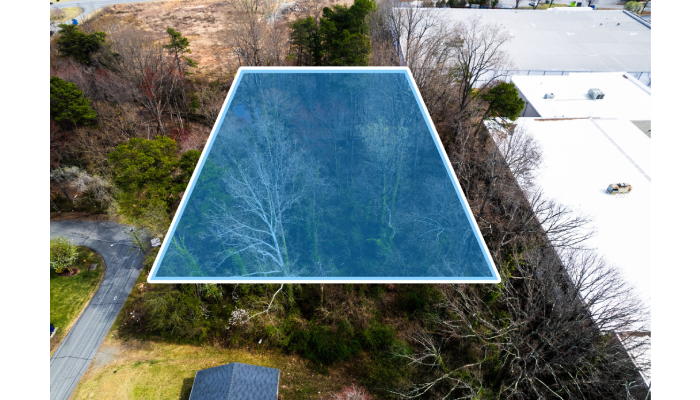
Don’t rely solely on property listings or tax records. Always commission a professional land survey to verify:
- Precise boundaries
- Encroachments (fences, buildings)
- Easements
- Lot size and shape
Surveys help avoid disputes with neighbors and clarify exactly what you're buying. In Florida, boundary disagreements can quickly turn into expensive legal battles.
7. Property Taxes and Special Assessments
Florida has no state income tax, but property taxes can be substantial, especially in high-demand areas. Before buying, investigate:
- Current property tax rates
- Any outstanding tax bills
- Special assessments for infrastructure or community improvements
You can obtain this information from the county property appraiser’s office. Also, inquire whether the land is subject to any Community Development District (CDD) fees or Homeowner Association (HOA) dues.
8. Location and Growth Trends
Location is everything in real estate investment, and Florida is no exception. Evaluate the area's potential for appreciation based on:
- Proximity to highways, schools, beaches, and amenities
- Nearby commercial and residential developments
- Planned infrastructure improvements (such as new airports or roads)
Look at historical data and consult local real estate professionals to get a clear picture of future value. Northern Florida may offer lower prices with slower growth, while South and Central Florida attract faster appreciation.
9. Legal and Development Restrictions
Besides zoning, other restrictions can impact land use:
- Deed restrictions or covenants
- Historic preservation rules
- Building height limitations
- HOA rules (in case of subdivided land or planned communities)
If you’re unfamiliar with these legalities, it’s wise to consult a Florida real estate attorney, especially if the land is in a development or coastal zone.
Conclusion
Purchasing land in Florida can be a rewarding real estate investment, especially with rising property values and population growth. But due diligence is non-negotiable. From zoning and soil conditions to infrastructure and taxes, there are many critical factors to evaluate before closing the deal.
Whether you're an experienced investor or a first-time buyer, working with professionals, such as land surveyors, environmental consultants, and real estate attorneys, can ensure your investment is legally sound and financially viable.