

Industries around the world are rapidly evolving toward energy-efficient, sustainable, and cost-effective solutions. One such innovation revolutionizing industrial heating systems is the industrial electric boiler. Traditionally, industries have relied on fossil fuel-based boilers to generate steam or hot water for various processes. However, with growing concerns about environmental impact, energy consumption, and operational costs, electric boilers are emerging as a viable and attractive alternative.
In this article, we’ll explore the top benefits of using electric boilers in industry, discuss how they compare with traditional systems, and why more industrial sectors are making the switch.
What is an Industrial Electric Boiler?
An industrial electric boiler is a heating system that uses electrical energy to generate steam or hot water, used in manufacturing processes, sterilization, space heating, or any application requiring thermal energy. Unlike conventional gas or oil boilers, electric boilers operate without combustion, reducing the emissions and complexity associated with traditional systems.
Industrial electric boilers come in various configurations, including electrode boilers, resistance element boilers, and induction boilers, each tailored for specific industrial applications.
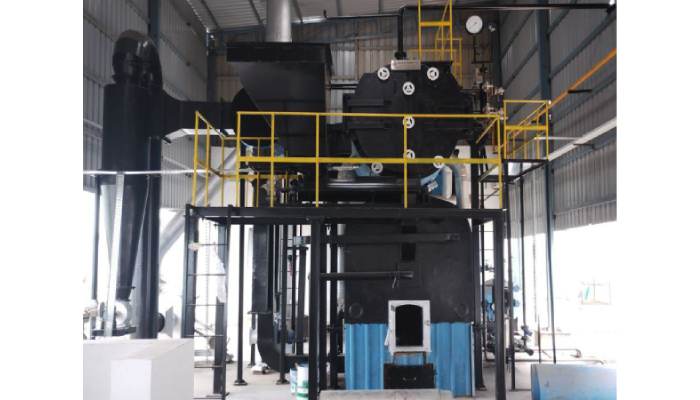
Environmentally Friendly Operation
One of the most significant advantages of an industrial electric boiler is its zero-emissions performance. Since electric boilers do not burn fossil fuels, they emit no carbon dioxide (CO₂), nitrogen oxides (NOx), or sulfur dioxide (SO₂) during operation.
Why It Matters?
- Helps industries meet environmental regulations and decarbonization goals.
- Supports corporate sustainability initiatives.
- Reduces the need for expensive emission control equipment.
As industries move toward net-zero carbon goals, electric boilers offer a seamless way to transition into greener operations.
High Energy Efficiency
Electric boilers are known for their superior energy efficiency, often achieving efficiencies of up to 99% or higher. Unlike combustion-based boilers, electric boilers do not lose heat via flue gases or exhaust stacks.
Benefits Include:
- Lower energy wastage, translating to reduced operating costs.
- Faster heat-up times, increasing productivity.
- Better temperature control and energy management.
When integrated with renewable energy sources like solar or wind, industrial electric boilers further enhance energy efficiency while reducing reliance on the grid.
Lower Maintenance Requirements
Industrial electric boilers have fewer moving parts and no combustion chamber, which significantly reduces the chances of mechanical failure and wear and tear.
Maintenance Advantages:
- No burner tuning or fuel storage requirements.
- Less downtime for repairs or inspections.
- Longer lifespan with consistent performance.
This results in lower maintenance costs, improved system reliability, and uninterrupted industrial operations.
Space-Saving Design
Compared to bulky fossil-fuel boilers, electric boilers have a compact footprint, making them ideal for facilities with limited space.
Applications:
- Retrofitting old boiler rooms with modern systems.
- Ideal for urban industrial sites or compact manufacturing units.
- Easy to install and integrate with existing systems.
Their modular design allows for scalability, making it easy to expand heating capacity without significant infrastructure changes.
Quiet and Clean Operation
The absence of combustion in electric boilers leads to quieter operation, creating a more comfortable and less disruptive working environment. Additionally, there are no fuel leaks, odors, or soot, resulting in a cleaner workspace.
Ideal For:
- Food and beverage industries, where hygiene and cleanliness are paramount.
- Healthcare and pharmaceutical sectors, where noise and air quality control are critical.
Cost-Effective in the Long Run
While initial installation costs of electric boilers may be higher in some cases, the lower operating and maintenance costs often outweigh the upfront investment over time.
Cost Benefits:
- Reduced fuel expenses (especially in regions with affordable electricity).
- Minimized maintenance and labor costs.
- No need for chimney or flue systems, cutting infrastructure expenses.
When paired with off-peak electricity usage or renewable energy integration, electric boilers can offer considerable savings over the boiler’s lifetime.
Ease of Automation and Control
Modern industrial electric boilers come with advanced automation features, making it easier to monitor, control, and optimize heating operations.
Features Include:
- Digital control panels
- Remote monitoring systems
- Smart load management
- Real-time performance analytics
These features help improve operational efficiency, prevent energy wastage, and allow faster troubleshooting in case of anomalies.
Conclusion
The industrial electric boiler represents a major leap forward in sustainable heating technologies. From high energy efficiency and low emissions to cost savings and regulatory compliance, the benefits are undeniable. As industries continue to prioritize cleaner and more efficient processes, electric boilers will play an increasingly vital role in driving industrial innovation.
Whether you’re planning a new installation or looking to replace an aging fuel-based system, transitioning to an industrial electric boiler can yield significant environmental, economic, and operational advantages.