
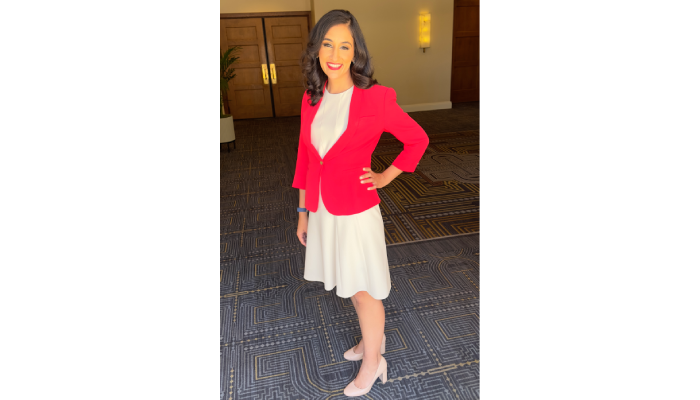
Preparing for an international news anchor interview involves several steps that can really make a difference. First, it’s key to know the show’s format and whether it will be live or recorded. Researching the topic you're discussing, along with understanding the audience's demographics, can help you tailor your message effectively. Identifying 3-5 key points to communicate is essential, and practicing these aloud boosts confidence. Dress professionally but avoid certain colors that may not look good on camera. Also, remember to engage in a conversational tone during the interview while being ready for tough questions, and rounding off with follow-ups and audience engagement afterward is always a plus.
Prepare Anecdotes
Preparing anecdotes can significantly enhance your interview. Select stories that relate to your key messages, ensuring they effectively illustrate your points. Keep your anecdotes concise, aiming for a duration of 1-2 minutes. Personal stories are ideal, especially those that evoke emotion or humor, making you more engaging to the audience. Practice your anecdotes several times to ensure smooth delivery, focusing on key details that enhance the story. Tailor your anecdotes to the interests of the audience, using relatable language and context to create a better connection. Incorporate lessons learned or insights from your experiences to add depth to your stories. Be ready to adapt your anecdotes based on the flow of the interview and the questions asked. Use anecdotes to break up complex information, making it more digestible and memorable. Avoid overly negative or controversial anecdotes that could detract from your main message or make the audience uncomfortable. Reflect on how your anecdotes align with current events or broader themes, creating a more relevant narrative.
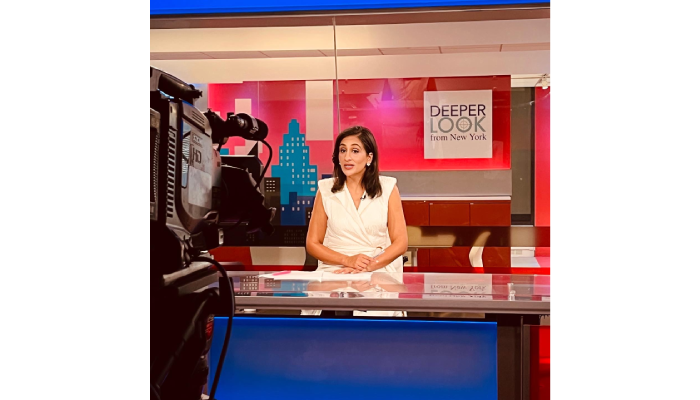
Follow-Up Post-Interview
Following up after your interview is essential to leave a lasting impression. Start by sending a personalized thank-you email to the interviewer, expressing your gratitude for the opportunity. In this email, mention specific points from your discussion that you particularly enjoyed, which helps reinforce a personal connection. You can also ask for feedback about your performance; this shows that you are open to improvement and value their opinion. If appropriate, offer to provide additional information or resources that may benefit the interviewer or their audience. Sharing the interview on your social media platforms is another great way to increase visibility; tag the interviewer or the show to extend your reach. After a few weeks, check in with the interviewer to maintain the relationship and express your continued interest in future opportunities. It's beneficial to keep a record of the interview for your portfolio, noting what went well and what could be improved. Writing a brief blog post or article reflecting on your interview experience can also be valuable. Lastly, engage with audience comments or questions related to the interview, showing that you appreciate their input and are willing to connect.
- Send a personalized thank-you email expressing gratitude for the opportunity to share your insights.
- Mention specific points from the interview that you enjoyed discussing, reinforcing a personal connection.
- Ask for feedback about your performance to identify areas for improvement.
- Offer to provide additional information or resources that may be beneficial to the interviewer or audience.
- Share the interview on your social media platforms, tagging the interviewer or the show for increased visibility.
- Check in with the interviewer after a few weeks to maintain the relationship and express continued interest in future opportunities.
- Keep a record of the interview for your portfolio, noting what went well and what could be improved for next time.
- Consider writing a brief blog post or article reflecting on your experience during the interview.
Stay Updated on Current Events
Being well-informed about current events is crucial for an international news anchor interview. Start by subscribing to major news outlets and industry-specific publications. This ensures you receive the latest updates directly. Setting up Google Alerts for topics relevant to your interview can also help you stay on top of significant developments. Make it a habit to read or watch the news daily, dedicating time to digest important stories that could be relevant to your discussion.
Consider engaging with podcasts or webinars related to your field. They often provide insights into current trends and discussions that can be beneficial. Following influential figures or organizations on social media can give you diverse perspectives on the news, broadening your understanding. Joining professional groups or forums also allows you to discuss news and share insights with peers, enhancing your knowledge.
Create a summary of relevant news stories related to your topic; this can serve as a quick reference guide before the interview. Keeping a list of potential questions that current events may raise allows you to prepare thoughtful responses during the interview. Reflect on how recent events might change or influence the context of your key messages, and practice integrating them into your anecdotes or talking points. This approach enhances your relatability and relevance, making your responses more engaging.
Ensure Technical Preparedness
To make a great impression during your interview, it’s crucial to be technically prepared. Start by testing your equipment the day before. Check that your camera, microphone, and lighting are all working well. For a virtual interview, run an internet speed test to avoid any connectivity issues that could disrupt your conversation. When setting up your space, choose a camera angle that flatters you and ensure your background is clean and professional. Good lighting is essential too, aim for soft, even light on your face to avoid harsh shadows or glare.
Using headphones can significantly improve audio quality and minimize background noise, creating a more pleasant experience for both you and the interviewer. Always have a backup plan in case of technical difficulties. This could mean having a secondary device ready or knowing how to switch to another video conferencing platform if needed. Familiarize yourself with the interview platform beforehand; knowing how to use features like mute and screen sharing can save you time and avoid awkward moments.
Close any unnecessary applications on your device to enhance performance and reduce distractions. It’s also a good idea to have a notepad or digital document with key points and anecdotes readily available during the interview. Finally, practice your setup with a friend to iron out any issues and ensure a smooth experience on the day of the interview.
Engage with the Audience After the Interview
After your interview, it's important to continue the conversation with your audience. Start by monitoring social media platforms for comments and feedback related to the interview. Responding to viewer questions or comments promptly shows that you value their engagement, fostering a sense of community. Sharing additional insights or resources based on audience interest can enhance their experience and deepen their connection to the topic.
Consider hosting a Q&A session or a live discussion following the interview. This can provide an opportunity for viewers to ask questions and express their thoughts directly. Additionally, posting highlights or key takeaways from the interview on your blog or social media will keep the discussion alive and encourage further interaction.
Encourage audience members to share their thoughts or experiences related to the interview topic, as this can lead to rich discussions. Use analytics tools to assess the reach and engagement of your posts about the interview, allowing you to tailor future content based on what resonates most with your audience. Creating follow-up content inspired by audience interactions, such as articles or videos, can further strengthen your relationship with them.
Highlight interesting viewer comments or questions in your future communications, acknowledging their contributions. This ongoing dialogue not only enriches your engagement but also helps establish a community around your areas of expertise.
Frequently Asked Questions
1. What should I wear to an international news anchor interview?
It's best to dress in professional attire, like a suit or a blazer. Choose solid colors over busy patterns, as they look better on camera.
2. How can I research the news organization before the interview?
Look up their website, watch their news broadcasts, and read articles they have published. Knowing their style and values will help you connect during the interview.
3. What types of questions might I be asked in the interview?
You could be asked about your background, your experience in journalism, and your views on current events or significant news stories.
4. How should I prepare for potential on-air scenarios?
Practice speaking clearly and confidently about various topics. It’s also helpful to stay informed about current events, so you can react thoughtfully if asked about them.
5. What can I do to calm my nerves before the interview?
Try deep breathing exercises, visualize a successful interview, and practice your answers out loud. Being well-prepared can also boost your confidence.
Resource URL: