Why do you need special pickleballs for basketball court play?
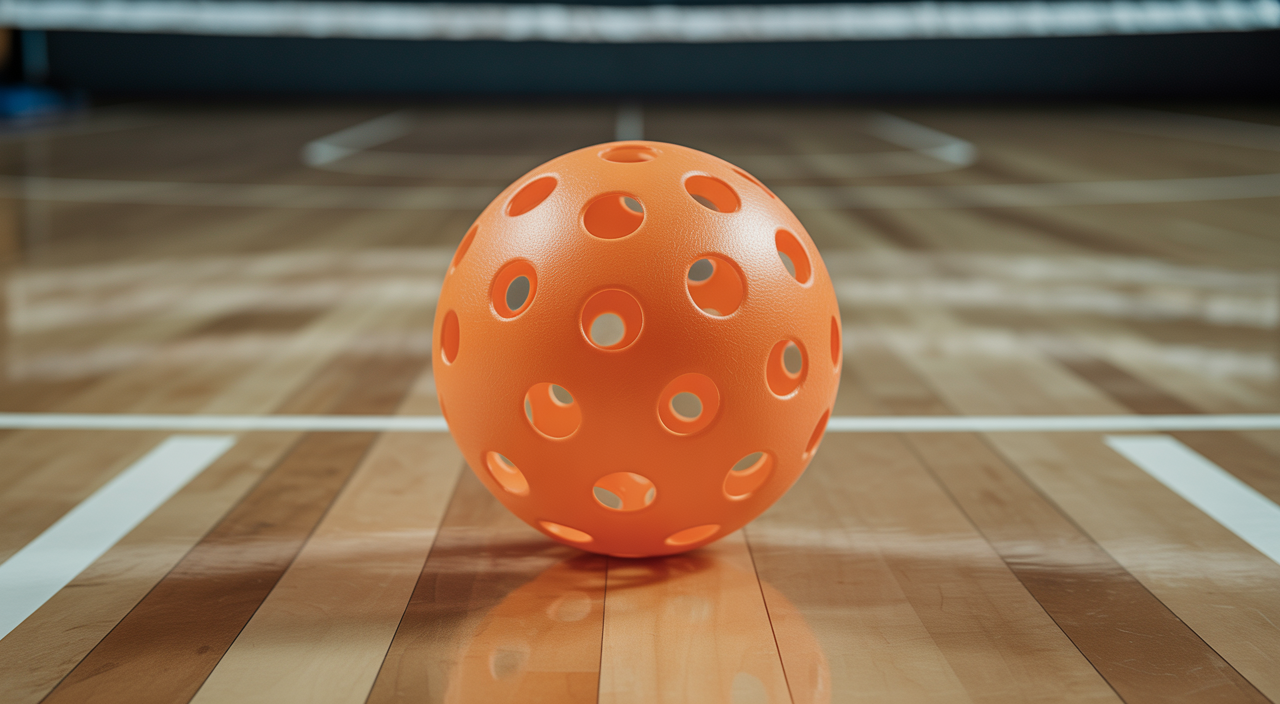
If you are turning a basketball court into a pickleball court, the ball you choose matters more than you might think. The surface is hard, smooth, and often glossy, so you need a ball that gives a predictable bounce, stays visible under bright lights, and does not crack easily. That is exactly why many coaches and club owners prefer indoor, 26‑hole, orange balls when picking pickleballs for basketball court play.
This guide walks you through the key points in simple language. By the end, you will know what to buy, how many to keep on hand, and how to get the best value, whether you run a school, a housing society club, or a private sports center in India.
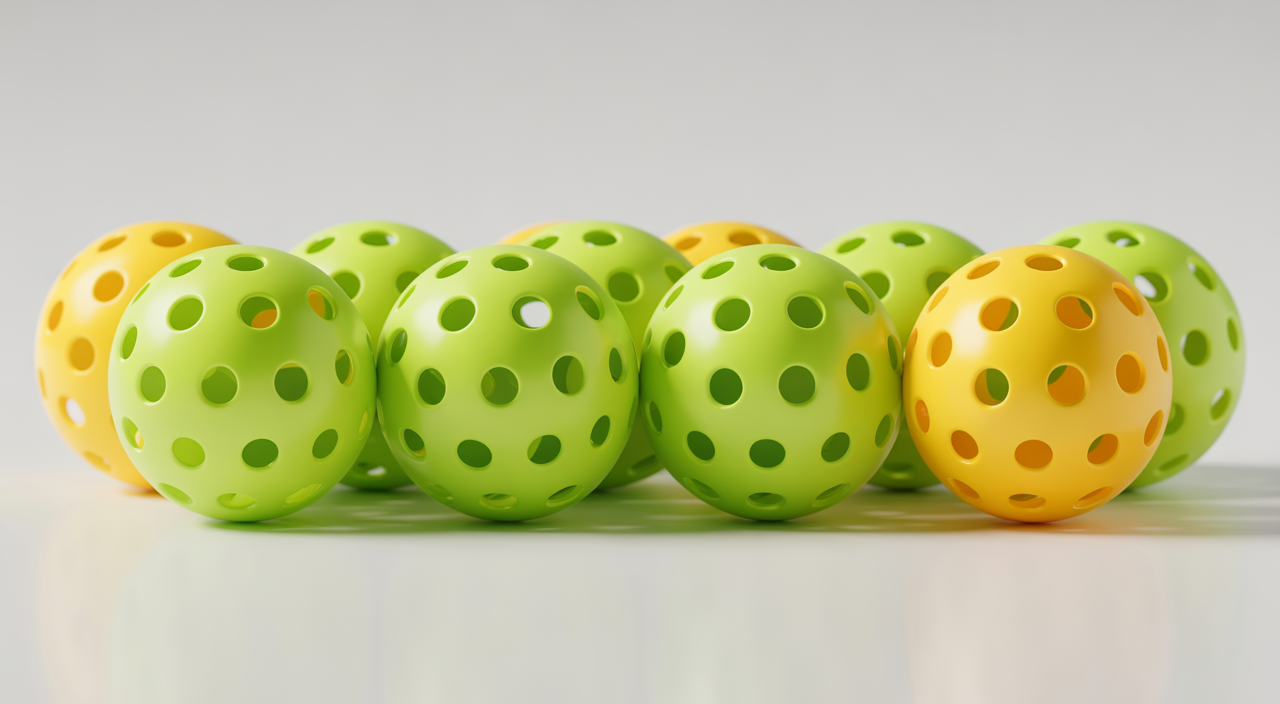
We will look at indoor vs outdoor balls, the science of bounce and noise, and how color and design affect your game on a hardwood court.
Indoor vs outdoor pickleballs: what is the difference?
At first glance, all balls look similar. But indoor and outdoor balls are built differently. Outdoor balls usually have more holes (around 40), thinner plastic, and a harder feel to cut through wind on open courts. This makes them great for rough concrete but not ideal for smooth wooden floors.
Indoor balls normally have fewer holes (around 26) and slightly softer plastic. This design gives better control, a friendlier bounce, and quieter play in enclosed spaces. On a typical basketball court, this style behaves in a more consistent and predictable way.
When you choose hardwood court pickleball balls, look closely at three things: hole count, plastic hardness, and weight. Together, they decide how the ball moves, how it sounds, and how long it lasts.
Why 26‑hole indoor balls work so well on basketball courts
For gym floor pickleballs, 26 holes is a sweet spot. With fewer, larger holes, the ball moves through indoor air smoothly and does not wobble. The softer shell lets the ball grip the varnished wood slightly, which reduces skidding and surprise bounces.
This design is especially useful for new players and mixed‑age groups, such as resident welfare association clubs and school batches. The ball is easier to control, rallies last longer, and games feel more fun, which is perfect when you want to grow interest in pickleball as a new sport.
In simple words, 26‑hole indoor balls bring more rally time and fewer weird bounces, which your players will love.
Key factors when using pickleballs on a basketball court
Bounce consistency
On a wooden basketball floor, you want the ball to come up to a similar height every time it hits the ground. Regulation indoor pickleball standards usually test bounce from a fixed height on a hard surface. You can try a small test yourself by dropping the ball from shoulder height and watching how high it returns.
If the ball comes back sharply and evenly, your players can time shots better. If it feels dead, too springy, or uneven, rallies will be frustrating. A good indoor ball keeps its bounce even after many games, which is important when you run busy sessions evening after evening.
Noise level in indoor facilities
Quiet indoor pickleball is a growing need, especially in multi‑use halls, schools, and housing societies. The harder the plastic, the louder the “pop” sound on every hit. Softer indoor balls with 26 holes reduce the sound, which keeps neighbours, teachers, and other hall users happier.
For facility managers in India, a quieter ball can help you avoid complaints when courts are close to classrooms, offices, or residential blocks. Over a whole match, the difference in noise is noticeable and makes the sport feel more relaxed.
Visibility under gym lights
On a glossy basketball court with bright white or yellow tube lights or LEDs, color matters. Orange indoor pickleballs stand out strongly against brown wood, white lines, and most sports shoes. This helps players track the ball early, which is key for quick reaction shots at the net.
Colors like yellow or white can sometimes blend into the background, especially on older courts where paint has faded. Orange cuts across that clutter, which is useful for beginners, seniors, and anyone with weaker eyesight.
Durability and value for money
Durable indoor pickleballs must handle hard paddle hits, wooden floors, and frequent games without cracking. Look for balls made with thicker, high‑quality plastic and clean, round holes without rough edges. Well‑made balls hold their shape longer and stay “true” in flight.
For Indian buyers, this is a budget benefit. Paying a little more for premium balls often works out cheaper over time because you replace them less often. It also gives your players a more professional feel, which can attract higher membership or coaching fees.
Practical tips for Indian facilities and groups
Here are a few simple steps to get the most from your pickleballs on a basketball court:
- Start with at least a dozen balls for one full court, so play never stops due to lost or cracked balls.
- Store balls in a cool, dry place, away from direct sunlight, to protect the plastic.
- Rotate balls, using a mix of new and older balls in each session for consistent play.
- Replace balls that show cracks or are badly out of shape, so players always enjoy a smooth game.
If you also manage outdoor sports, you may find it helpful to study how different equipment choices influence performance and safety across activities. For example, this guide on how to create perfect court stripes with a line striping machine shows how small technical choices can lift the whole playing experience.
Simple buying checklist for pickleballs for basketball court play
Before placing an order, run through this quick list:
- Surface: Is your court an indoor wooden or synthetic basketball surface? If yes, choose indoor 26‑hole balls.
- Color: Prefer bright orange for the best visibility under typical Indian gym and hall lighting.
- Usage: Estimate weekly play hours. Heavier use means you should buy a few extra packs and rotate regularly.
- Player level: For beginners and mixed groups, softer indoor balls are friendlier and more forgiving.
- Budget: Look at cost per ball, not just pack price, and compare it with expected life and performance.
Thinking in this structured way helps you avoid trial‑and‑error and gets your program running smoothly from the first day.
When your courts are busy, you may also need to plan for other services and infrastructure upgrades, just as property owners plan ahead for maintenance and support. For a broader view on managing facilities for long‑term value, you can read about the benefits of hiring a professional property manager.
FAQs about using pickleballs on basketball courts
Q1: Can I use outdoor pickleballs on a basketball court?
Yes, you can use outdoor balls on a basketball court, but they are not ideal. Outdoor balls are harder, louder, and designed for rough concrete and wind. On smooth indoor wood, they can feel too fast and noisy. For a better experience, especially in school or club halls, 26‑hole indoor balls are usually the smarter choice.
Q2: How many indoor pickleballs should I buy for one basketball court?
For one pickleball court marked on a basketball surface, start with 12 to 18 balls. This covers a few active games, practice drills, and backup balls for cracks or loss. If you run coaching batches, tournaments, or have more than one court, scale up to 24 to 36 balls so play never stops.
Q3: How long do indoor pickleballs last on a hardwood court?
With regular use on a standard wooden basketball floor, good‑quality indoor balls often last a few months in a busy club and even longer in light‑use settings. Their life depends on ball quality, playing style, and how you store them. Once you see cracks, deep scuffs, or uneven bounce, it is time to replace that ball for the best playing experience.