
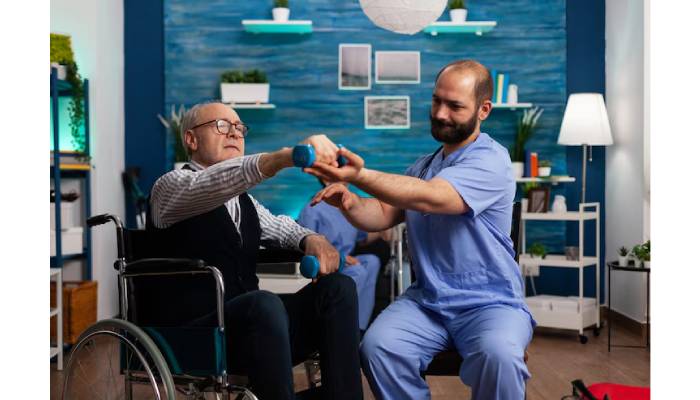
Research shows physiotherapy plays a key role in restoring mobility and function after stroke. A Cochrane review compiling 96 trials with over 10,000 participants found that physical rehab improves independence in daily activities and motor skills better than no treatment. Effects on balance and walking speed are also positive, but no single therapy type outshines others. Successful rehab often mixes functional tasks, muscle strengthening, neurophysiological techniques, and cardio training tailored to each patient’s needs. Starting therapy early (within 30 days), for about 30-60 minutes daily, several times a week, tends to give the best results. Still, benefits may fade without continued practice or follow-up care.
Evidence Behind Physiotherapy for Mobility Restoration
A large Cochrane review examining 96 randomized controlled trials with over 10,000 stroke survivors provides strong evidence supporting physiotherapy’s role in restoring mobility and function. The review focused on physical rehabilitation methods targeting key outcomes like postural control, lower limb function, and activities of daily living (ADL). Instead of comparing named therapy approaches, it grouped interventions by treatment elements, reflecting how physiotherapy in Burlington, Ontario, is applied in real-world clinical settings where multiple components are combined. Moderate-to-high-quality evidence showed that physical rehabilitation improves functional independence, balance, and gait velocity compared to no treatment or usual care. Common effective interventions included task-specific training, muscle strengthening, neurophysiological techniques, and aerobic fitness exercises. These findings were consistent across diverse patient groups and care settings, although some variability existed due to differences in usual care, particularly in studies from China. Despite no single treatment component proving superior, the combination of therapies tailored to individual needs demonstrated clear benefits. The evidence also supports early and consistent therapy, with sessions typically lasting 30 to 60 minutes daily, as a practical dose for enhancing recovery. However, benefits may lessen over time without ongoing therapy. Overall, this comprehensive review offers a solid foundation for understanding how physiotherapy contributes to restoring mobility and function after stroke.
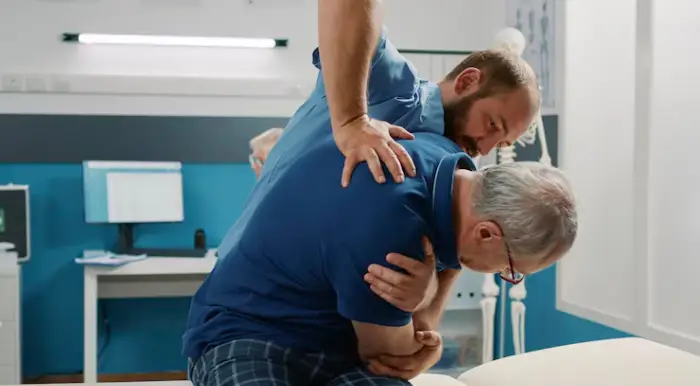
How Physiotherapy Improves Daily Function and Movement?
Physiotherapy plays a key role in improving daily function and movement by focusing on independence in activities of daily living (ADL), motor control, balance, and walking speed. It targets practical tasks such as walking, climbing stairs, and balance exercises to help patients regain essential skills needed for everyday life. Muscle strengthening and movement exercises enhance motor function and control, while neurophysiological techniques support sensorimotor recovery, helping the nervous system relearn coordinated movement patterns. Cardiopulmonary fitness training boosts endurance, allowing patients to sustain activity for longer periods, which contributes to overall mobility. Assistive devices like walking aids may be used to ensure safe movement and promote functional independence. Research shows that these improvements are consistent and moderate to high in quality across many studies, and benefits often last beyond the therapy period, although ongoing practice is important to maintain progress. No single physiotherapy method outperforms others, so combining multiple approaches, such as task-specific training, muscle strengthening, and neurophysiological facilitation, is common and effective. Regular, focused training on specific tasks encourages better adaptation and helps restore natural movement patterns, supporting patients in returning to their daily routines with greater confidence and ability.
Common Physiotherapy Treatments Used After Stroke
After a stroke, physiotherapy often involves a blend of treatments tailored to help patients regain mobility and function. Functional task training is a key component, focusing on relearning everyday activities such as balance exercises, walking, and stair climbing. These tasks help patients practice real-life movements essential for independence. Musculoskeletal interventions target muscle strength and movement through active and passive exercises, which support motor recovery and improve physical function. Neurophysiological methods, including Bobath, proprioceptive neuromuscular facilitation, and sensorimotor facilitation, are widely used techniques that aim to enhance motor control, though research does not show they are superior to other approaches. Cardiopulmonary training is also incorporated to improve aerobic fitness and endurance, which is important for overall stamina during physical activity. Assistive devices like walking aids and modalities such as acupuncture may be used to complement therapy. Most clinical programs combine these components rather than relying on a single method, reflecting how physiotherapy is applied in real-world settings. This mixed approach allows physiotherapists to address multiple aspects of recovery simultaneously, improving balance, gait, and functional independence after stroke.
Recommended Duration and Frequency of Therapy
Effective physiotherapy typically involves sessions lasting between 30 and 60 minutes daily, carried out 5 to 7 days per week. This schedule balances intensity with patient tolerance and clinical practicality, ensuring steady progress without overwhelming the individual. Starting therapy early, ideally within the first 30 days after a stroke, has been shown to improve outcomes more significantly than delayed initiation. Consistency and moderate intensity remain key factors, as regular practice supports motor learning and helps maintain functional gains. While some studies suggest that multiple sessions per day might further enhance recovery, the evidence is not yet strong enough to make this a standard recommendation. Tailoring session length and frequency to each person’s capacity and response to therapy is essential to maximize benefits and avoid fatigue. Even beyond the early recovery phase, continuing physiotherapy can be helpful, though research on this period is less extensive. In all, the goal is to find a manageable routine that encourages ongoing improvement and preserves mobility and function over time.
- Effective physiotherapy dose ranges from 30 to 60 minutes daily.
- Sessions are typically conducted 5 to 7 days per week for optimal results.
- Some evidence suggests more than one session per day may enhance gains, though more research is needed.
- Early therapy initiation, ideally within 30 days post-stroke, yields better outcomes.
- Consistency and moderate intensity are important for functional improvements.
- Therapy beyond the early phase is beneficial but less studied.
- Dose recommendations balance intensity with patient tolerance and clinical feasibility.
- Longer or more frequent sessions do not consistently show additional benefits yet.
- Regular practice supports motor learning and functional maintenance.
- Tailoring session length to individual capacity is necessary for best effect.
Measuring Success: Outcomes of Physiotherapy
Physiotherapy’s success in restoring mobility and function is often measured by improvements in independence and practical daily activities. Common tools like the Barthel Index and Functional Independence Measure focus on how well patients manage activities of daily living (ADL), which is a key indicator of regained autonomy. Motor abilities are assessed using scales such as the Fugl-Meyer Assessment and Motor Assessment Scale, which provide detailed insights into motor recovery. Balance, a crucial component of mobility, is typically evaluated with the Berg Balance Scale, while gait velocity is tracked to monitor walking speed improvements. Although physiotherapy consistently shows significant gains in ADL, motor function, balance, and walking speed, it has not been shown to reliably reduce the length of hospital stays. Outcome measures tend to focus on real-world function and mobility rather than isolated clinical signs, making them more meaningful for patients’ everyday lives. Efforts to blind outcome assessors enhance the reliability of results, but this practice is not always followed, which can introduce bias. Another limitation is the scarcity of long-term follow-up data, meaning it is unclear how sustained these benefits are without ongoing therapy. Using standardized outcome tools helps compare results across different studies and clinical settings, contributing to a clearer understanding of physiotherapy’s overall effectiveness. For example, patients who show steady improvement on the Barthel Index after a few weeks of therapy often report greater ease in self-care tasks, highlighting the practical impact of measured outcomes.
Comparing Different Physiotherapy Methods
When looking at various physiotherapy methods used to restore mobility and function, research shows no single approach clearly outperforms others in improving patient outcomes. Interventions that include neurophysiological techniques, such as Bobath or proprioceptive facilitation, yield similar results to those without these elements. Likewise, functional task training, which focuses on activities like walking or stair climbing, is as effective as treatments that do not specifically target tasks. Treatments focusing solely on musculoskeletal components, like muscle strengthening, do not surpass combined approaches that mix several methods. Some limited data suggest that neurophysiological methods might be linked to longer hospital stays, but this evidence is not strong or consistent. In practice, therapists often use a combination of techniques reflecting typical clinical settings, which tends to be effective. Due to the wide variety of study designs and patient differences, making direct comparisons between methods is challenging. Therefore, the choice of physiotherapy should be guided by the patient’s individual needs and the therapist’s expertise rather than adherence to a single named approach. Overall, no statistically significant differences have been found in key functional outcomes across different physiotherapy methods, supporting a personalized and flexible treatment plan.
Practical Approach to Physiotherapy in Clinical Settings
In clinical settings, physiotherapy is rarely about following one strict method. Instead, therapists use a blend of treatment components tailored to each patient’s unique goals and needs. This typically involves combining task-specific training, such as practicing daily activities like walking or stair climbing, with muscle strengthening exercises and neurophysiological techniques that help improve nerve and muscle function. The focus stays on functional recovery, helping patients regain independence in their everyday movements, rather than strictly adhering to named approaches like Bobath or PNF. Therapy usually starts early after injury or stroke and is delivered consistently with moderate intensity, often around 30 to 60 minutes daily, adjusted based on patient tolerance, motivation, and any co-existing health issues. Assistive devices such as walking aids or modalities like electrical stimulation can be integrated when needed to enhance safety and function. Documentation is key: therapists routinely monitor progress and tweak treatment plans accordingly. Patient education plays an important role, encouraging active participation and fostering motivation throughout the rehabilitation journey. Collaboration with other healthcare professionals, such as occupational therapists and physicians, further supports a well-rounded recovery. Ultimately, the goal of this practical, flexible approach is to maximize a patient’s independence in daily activities and mobility, adapting as they improve or face new challenges.
Challenges and Limitations in Current Research
Current research on physiotherapy for restoring mobility and function faces several challenges that affect the clarity and strength of its findings. Many studies show a high or unclear risk of bias, often due to poor reporting and methodological issues. For example, blinding participants and therapists is usually impossible, and assessor blinding is inconsistently applied, which can influence results. A large portion of the research originates from China, where usual care sometimes lacks rehabilitation altogether, limiting how well these findings apply to settings where some rehabilitation is standard practice. There is also considerable heterogeneity across studies in terms of interventions used, participant characteristics, and outcome measures, making it difficult to draw firm conclusions or compare results directly. Small sample sizes and variable follow-up periods reduce the reliability of some findings, especially regarding long-term effects, which remain under-studied and unclear. Additionally, inconsistent documentation of therapy components complicates replication and understanding of which elements are most effective. Cultural differences in rehabilitation practices further influence outcomes, adding another layer of complexity. Some measured outcomes, like length of hospital stay, do not show consistent benefits from physiotherapy, suggesting that not all aspects of recovery are equally affected. Overall, there is a clear need for more rigorous, well-designed, and standardized trials to address these gaps and better identify the most effective treatment components and long-term benefits.
Areas Needing Further Study in Physiotherapy
Despite solid evidence supporting physiotherapy for restoring mobility and function, several areas require deeper investigation to enhance its effectiveness. One key focus is identifying which specific treatment components truly drive improvements, since current research shows no single approach outperforms others. High-quality randomized controlled trials with standardized outcome measures and longer follow-up periods are necessary to clarify these details and ensure results are reliable and broadly applicable. Another important area is exploring how physiotherapy interacts with other treatments like medication or acupuncture, as combined therapies might offer added benefits but remain under-researched. Better methods for documenting the exact nature and delivery of rehabilitation interventions would improve study transparency and replication. Long-term maintenance of gains after therapy ends also needs attention, including strategies for self-management and community-based programs that support ongoing recovery. Cultural and geographical variations in rehabilitation practices and outcomes are often overlooked, yet understanding these differences could help tailor interventions more effectively. Additionally, determining optimal dosing and timing of therapy for diverse patient groups remains unclear; for example, the best session length and frequency might vary by age or severity of impairment. Cost-effectiveness analyses comparing different physiotherapy approaches are limited but essential for health systems making resource decisions. Finally, more emphasis on patient-centered outcomes such as quality of life and social participation would provide a fuller picture of therapy benefits beyond physical measures. Improving methodological quality across studies to reduce bias will strengthen future evidence and help translate research into practical, personalized care.
Summary of Physiotherapy Benefits and Practices
Physiotherapy plays a crucial role in helping stroke survivors regain mobility, function, balance, and independence in daily activities. Research shows that no single physiotherapy method outperforms others; instead, a mix of treatment components tailored to individual needs works best. Commonly combined approaches include functional task training, muscle strengthening, and neurophysiological facilitation techniques. Starting therapy early, maintaining moderate intensity, and having regular sessions tend to produce better recovery outcomes. Benefits from physiotherapy often last beyond the treatment period but may decline without continued practice or follow-up. Because of the wide variety of patient needs and treatment options, a flexible, patient-centered approach is recommended rather than strict adherence to one protocol. Although current evidence supports these practices, studies face limitations like bias, differences in study designs, and a lack of long-term data. Therefore, ongoing research is important to identify which treatment components are most effective and how best to deliver therapy. In clinical settings, physiotherapy is part of multidisciplinary stroke rehabilitation, adapting continuously to support each patient’s unique journey towards improved mobility and daily function.
Frequently Asked Questions
1. How does physiotherapy improve joint mobility after an injury?
Physiotherapy uses targeted exercises and manual techniques to reduce stiffness and increase the range of motion in injured joints. Strengthening the muscles around the joint and encouraging proper movement patterns it helps restore flexibility and function over time.
2. Can physiotherapy help with mobility issues caused by chronic conditions like arthritis?
Yes, physiotherapy plays a key role in managing chronic conditions such as arthritis. It focuses on pain relief, improving joint flexibility, and maintaining muscle strength, which together help patients maintain better mobility and reduce the impact of symptoms on daily activities.
3. What role does physiotherapy play in functional recovery after surgery?
After surgery, physiotherapy is essential for regaining strength, coordination, and movement. Therapists design personalized programs to gradually increase activity levels, prevent complications like stiffness, and ensure the body heals correctly for optimal function.
4. How does physiotherapy address mobility problems resulting from neurological conditions?
Physiotherapy for neurological conditions involves exercises and techniques that help retrain the nervous system and muscles. This can improve balance, coordination, and muscle control, enabling better movement and independence even when nerve function is affected.
5. Why is a personalized physiotherapy plan important for restoring function?
Each person’s injury or condition affects them differently, so a personalized physiotherapy plan ensures that the treatments focus on specific needs and goals. Custom plans can address unique movement issues, adapt to progress, and promote the most effective recovery for restoring mobility and function.
TL;DR Physiotherapy plays a key role in restoring mobility and function after stroke by improving independence in daily activities, balance, and motor skills. Research from a large Cochrane review shows that a combined approach using functional task training, muscle strengthening, and neurophysiological techniques is more effective than no treatment, though no single method stands out as superior. Early and consistent therapy, typically 30 to 60 minutes daily, helps optimize recovery, but benefits may diminish over time without ongoing care. Challenges include variable study quality and diverse treatment approaches, highlighting the need for further research to identify the most effective components and long-term strategies.
Resource URL:
https://en.wikipedia.org/wiki/Physical_therapy
Charles Perkins was born in California, Studied at California State University. Currently working as Manager at Hoonskate, Charles Perkins helps readers learn the Health, Marketing, Insurance, Lawyer etc hone their skills, and find their unique voice so they can stand out from the crowd.