
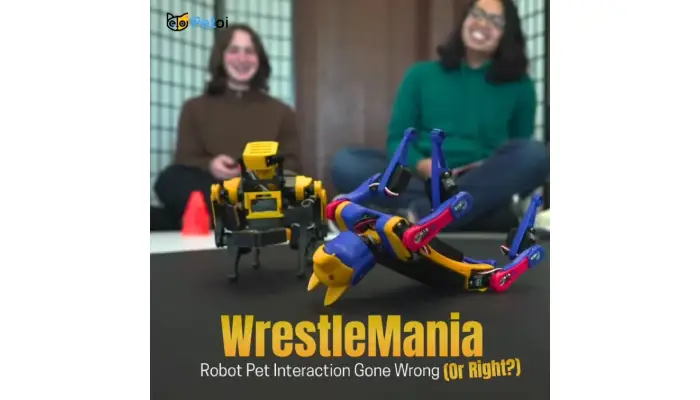
In the ever-evolving world of pet products, one category has captured the imagination of children and adults alike: the remote control dog. Far more than a simple toy, these mechanized canines blend robotics, design, and interactivity to deliver an experience unlike any other. Whether you’re a parent looking for a screen-free play option or a toy enthusiast fascinated by advanced electronics, understanding the appeal, features, and care of remote control dogs can help you choose the perfect model for hours of engaging fun.
What Is A Remote Control Dog?
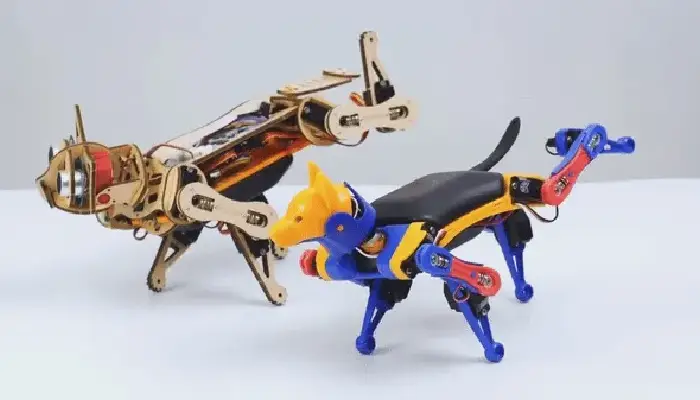
A remote control dog is a battery-powered toy designed to mimic the movements, sounds, and sometimes even the “behavior” of a real puppy. Controlled via handheld transmitters—often featuring joysticks, buttons, or even smartphone apps—these toys can walk, bark, wag their tails, and respond to commands. Over the past decade, advances in miniaturized motors, sensors, and materials have elevated these toys from basic wind-up figures to lifelike companions that perform tricks, navigate obstacles, and react to user input.
Key Features To Look For
When shopping for a remote control dog, consider these critical attributes:
- Degree of Freedom
Entry-level models may only move forward, backward, left, and right. Higher-end versions incorporate 12 to 18 points of articulation—allowing head tilts, paw lifts, and realistic tail wags. - Sensory Feedback
Some toys include light sensors that prevent collisions, sound sensors that trigger barking when clapped, or touch sensors in the head and back that register “petting” commands. - Programmability
Advanced remote control dogs feature open-source firmware or companion smartphone apps. Users can program custom sequences—such as a dance routine or obstacle-course navigation. - Battery Life and Charging
Lithium-ion batteries are becoming standard, offering two to three hours of continuous play on a single charge. Look for versions with USB-C charging or wireless charging pads to minimize downtime. - Durability and Safety
Since these toys often endure rough handling, quality die-cast metal components and reinforced ABS plastic shells extend lifespan. Confirm that small parts meet safety standards for the intended age group.
The Technology Behind The Toy
A remote control dog integrates multiple engineering disciplines:
- Microcontrollers and Servomotors
At its core sits a microcontroller (for example, an ARM Cortex-M series chip) that processes user input. Micro-servos convert electrical signals into precise, smooth movement. - Wireless Protocols
While many toys use 2.4 GHz radio frequency controls—similar to hobby drones—some premium models adopt Bluetooth Low Energy (BLE), enabling app-based control and two-way communication. - Power Management
Efficient power circuitry ensures motors draw only as much current as needed, extending battery life. Overcurrent protection guards against short circuits when the toy falls or is mishandled. - Sensor Integration
Infrared sensors or ultrasonic rangefinders detect obstacles, enabling the toy to pause or change direction automatically. Microphones pick up ambient noise for interactive barking features.
Benefits Of A Remote Control Dog
- Screen-Free Engagement
In an age of tablets and smartphones, remote control dogs encourage hands-on play and physical activity, reducing screen time for children. - STEM Learning
For older kids and hobbyists, programmable models offer a gateway into robotics, coding, and electronics. Tinkering with firmware or adding new sensors fosters critical thinking. - Emotional Comfort
Even simple mechanical companions can provide a sense of presence and routine—ideal for children who are not ready for live pets or for adults seeking stress relief through gentle interaction. - Collectibility
Many collectors prize limited-edition breeds, customizable skins, or interchangeable parts, turning remote control dogs into long-term hobbies rather than one-off toys.
Choosing The Right Model For Your Needs
To select the ideal remote control dog:
- Identify Your Audience
For toddlers, opt for robust, slow-moving models with simple controls. Teen hobbyists may prefer DIY kits with soldering components and open firmware. - Set a Budget
Entry models start around $30–$50, mid-range at $80–$150, and high-end programmable units can reach $300 or more. - Check Reviews for Reliability
Look for user feedback on battery life, motor longevity, and parts availability—key factors in ensuring your toy doesn’t become a paperweight after a few weeks. - Consider Expandability
If you anticipate wanting to add sensors or paint a custom coat, choose a platform with documented hackability and a supportive online community.
Conclusion
The remote control dog stands at the intersection of nostalgia and innovation. From simple wind-up pups to fully programmable companions, these toys offer enriching play, STEM education, and outright fun—all without the commitment of a living pet. By understanding their features, technology, and care requirements, you can confidently choose a model that delights both young and old. Whether as a child’s first foray into interactive robotics or an adult’s collectible project, remote control dogs continue to captivate and inspire across generations.

Charles Perkins was born in California, Studied at California State University. Currently working as Manager at Hoonskate, Charles Perkins helps readers learn the Health, Marketing, Insurance, Lawyer etc hone their skills, and find their unique voice so they can stand out from the crowd.